
The Abaya Chronicles
The NJ Fulbright Chapter has encouraged its members to pen articles that highlight their experience as Fulbrighters. Dr. Tina Lesher, professor emerita of journalism at William Paterson University, here details the interesting time she had as a 2006-07...
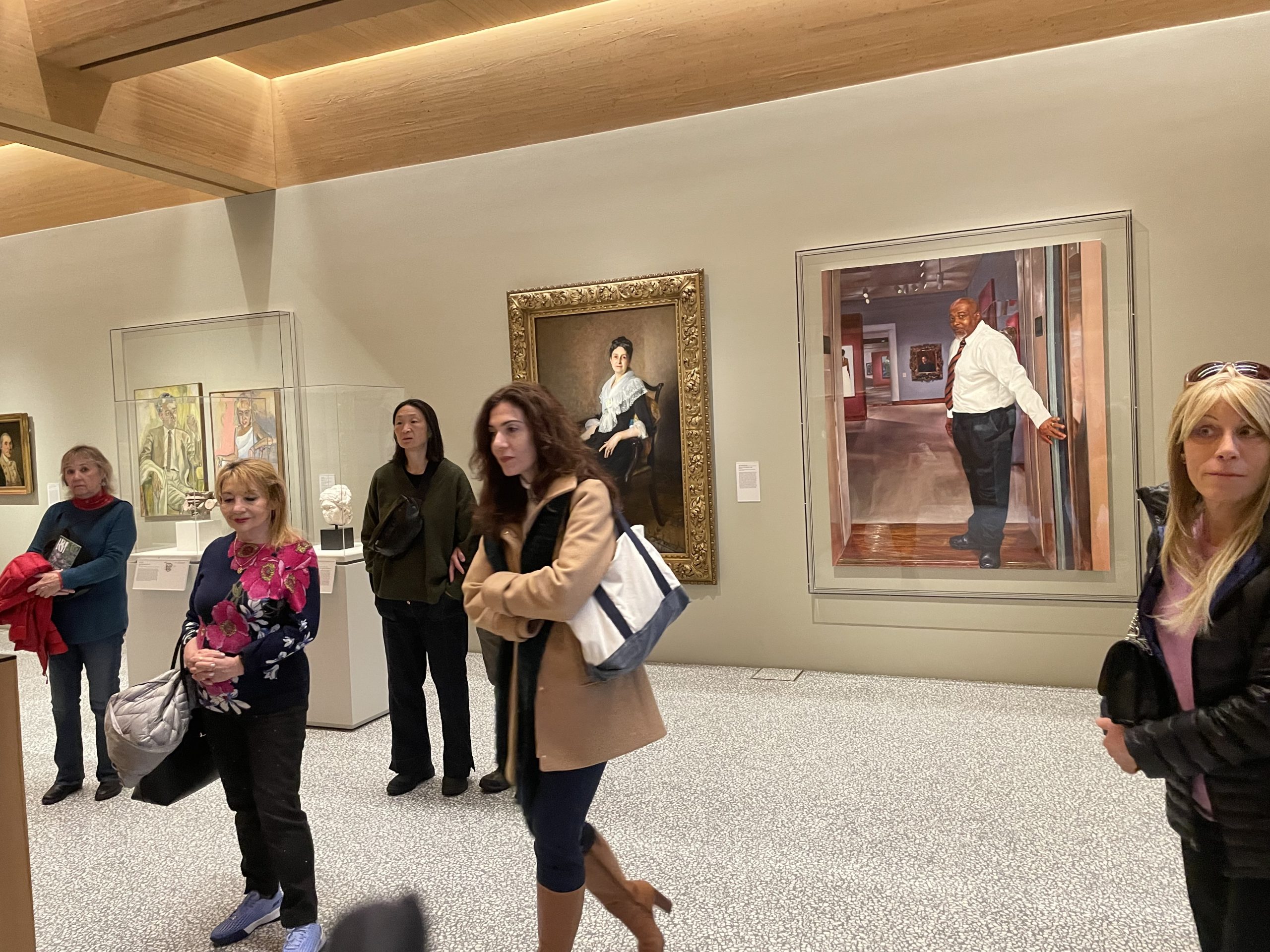
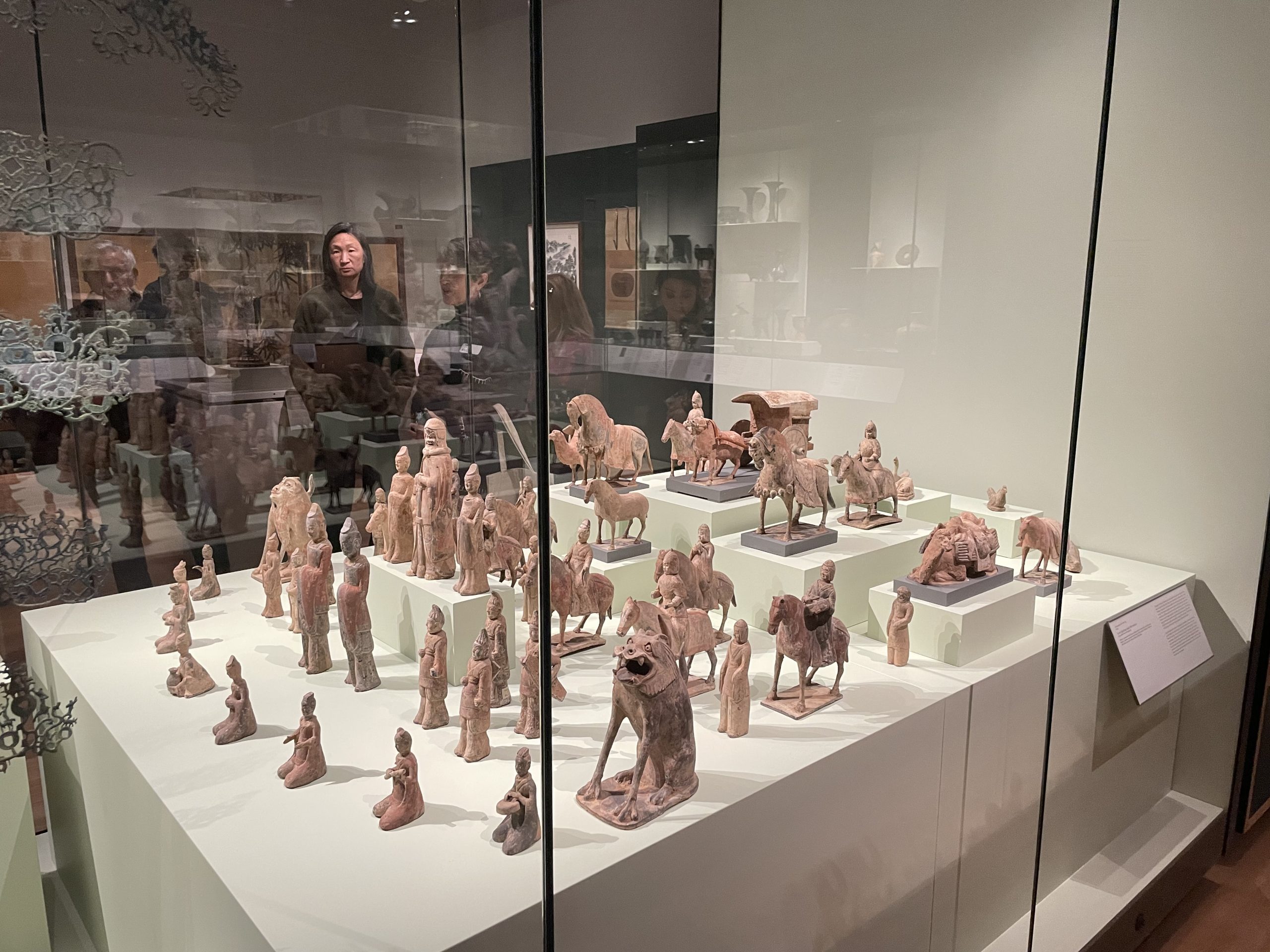
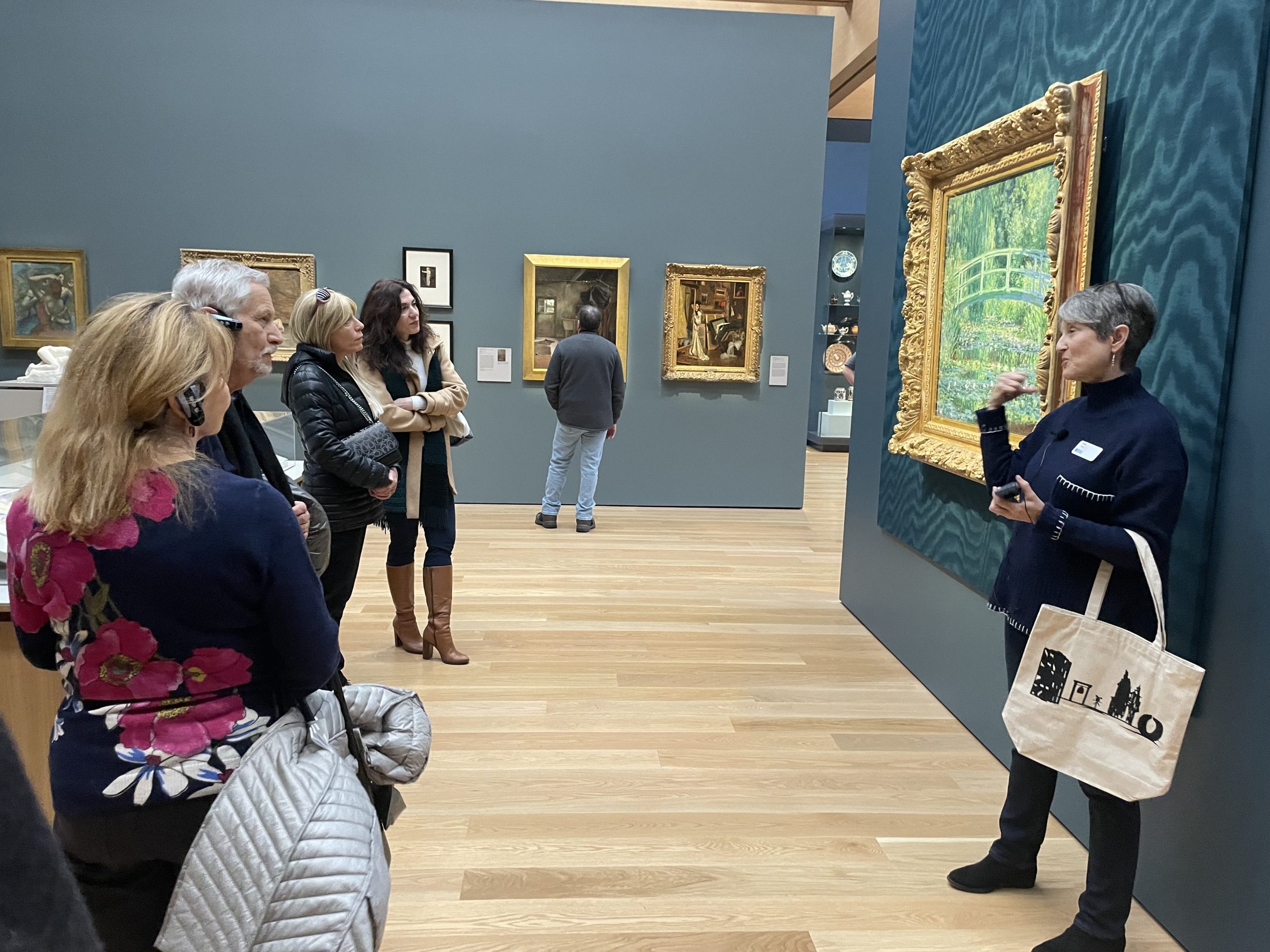
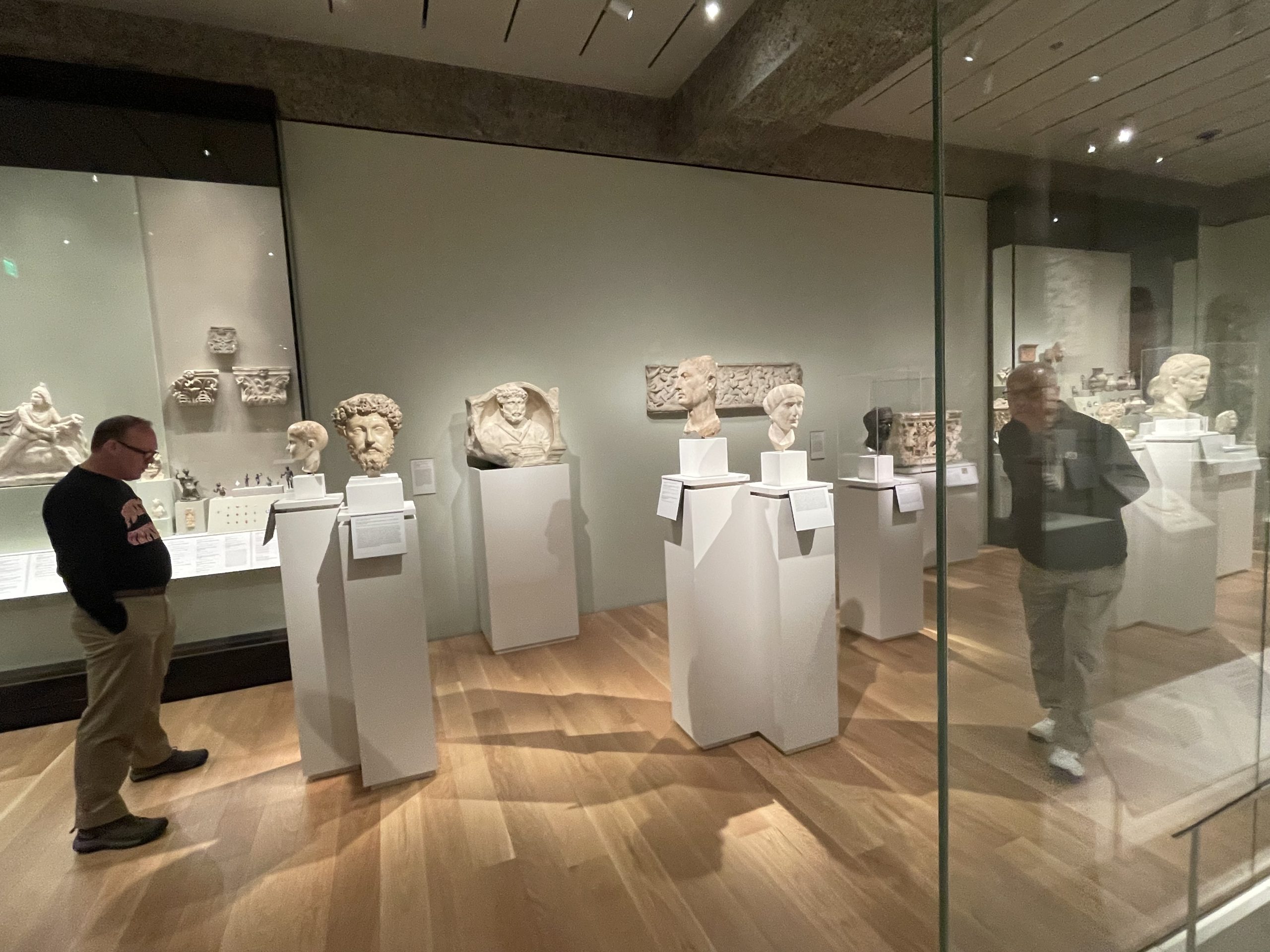
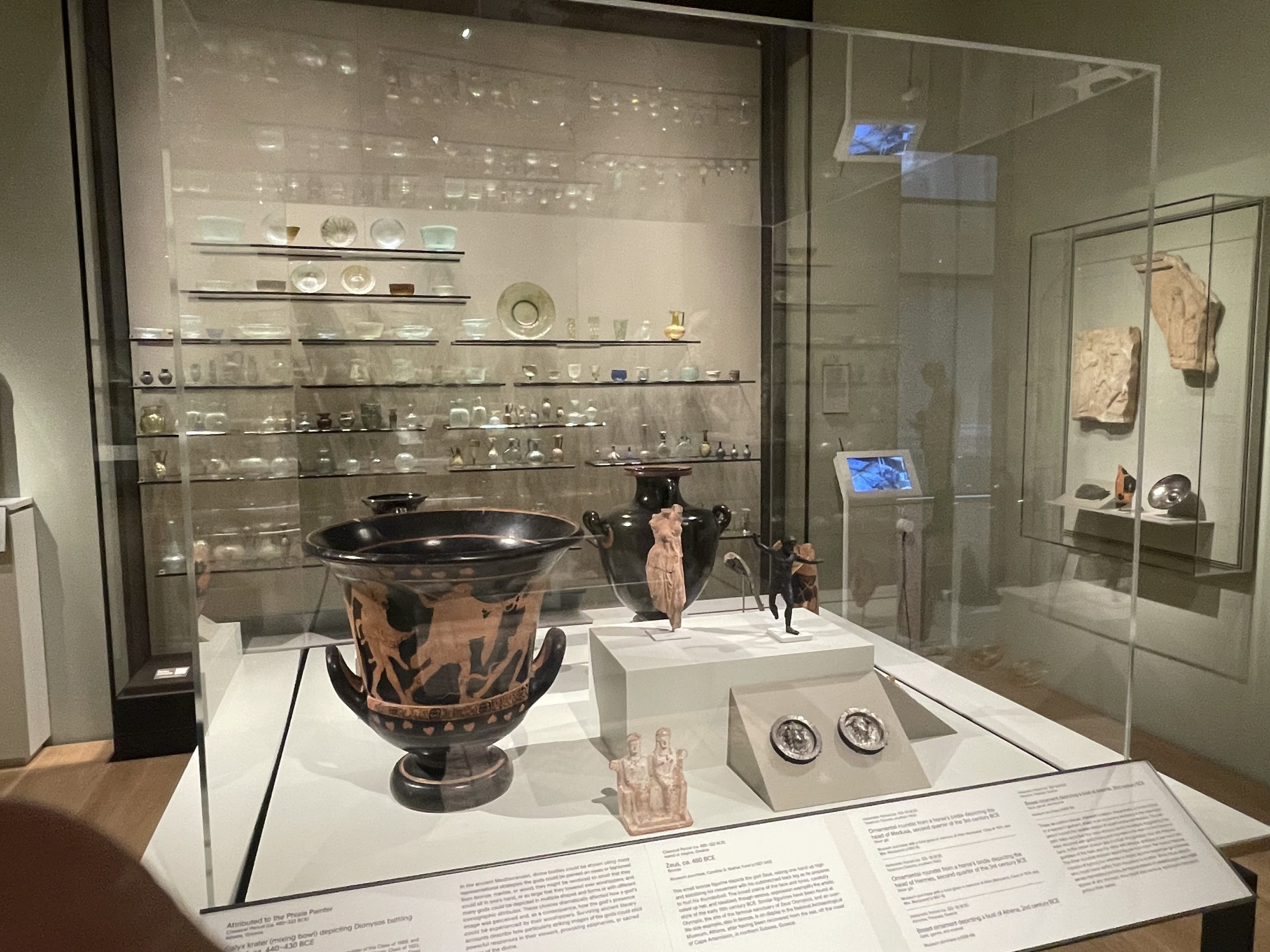
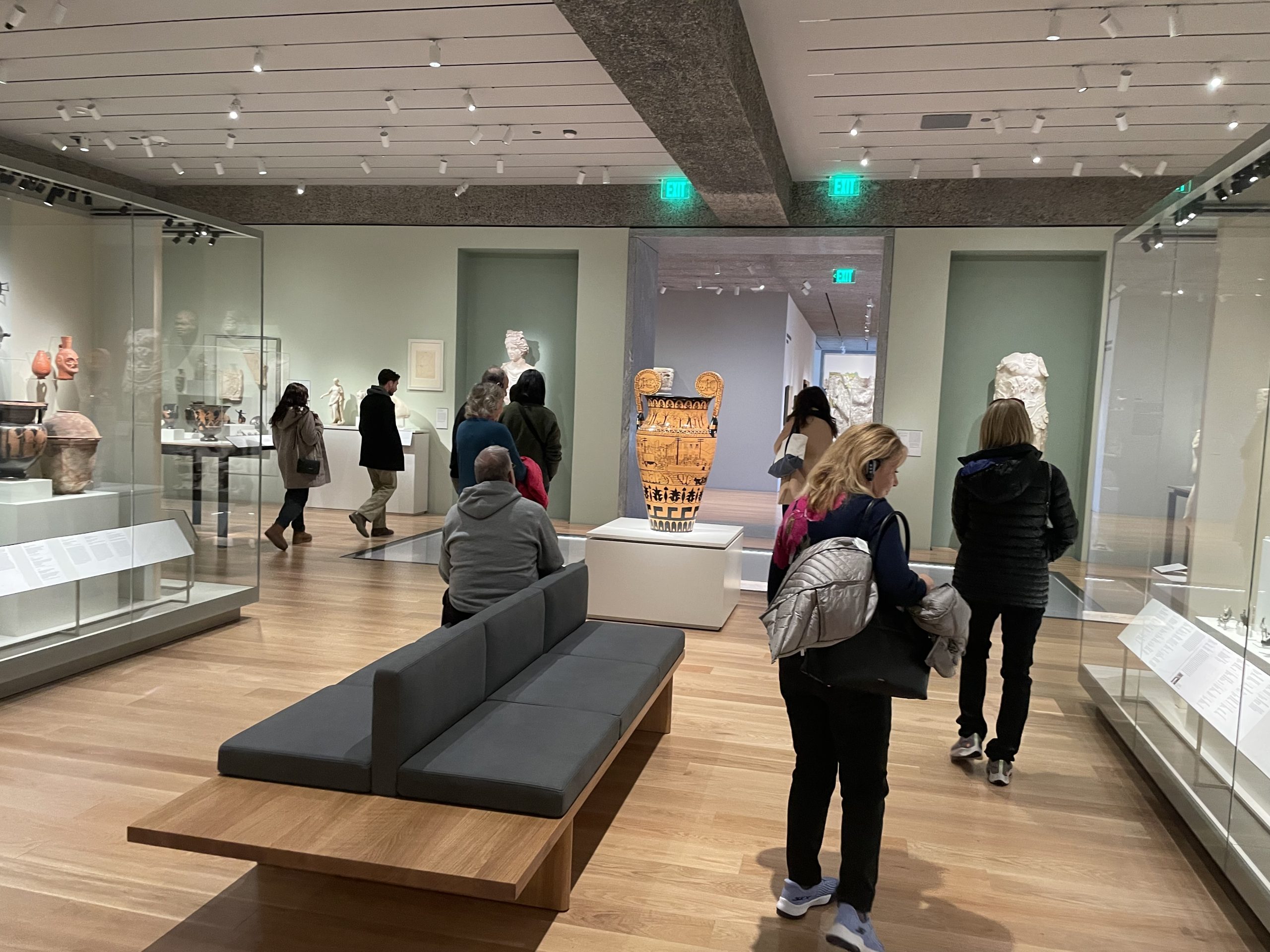
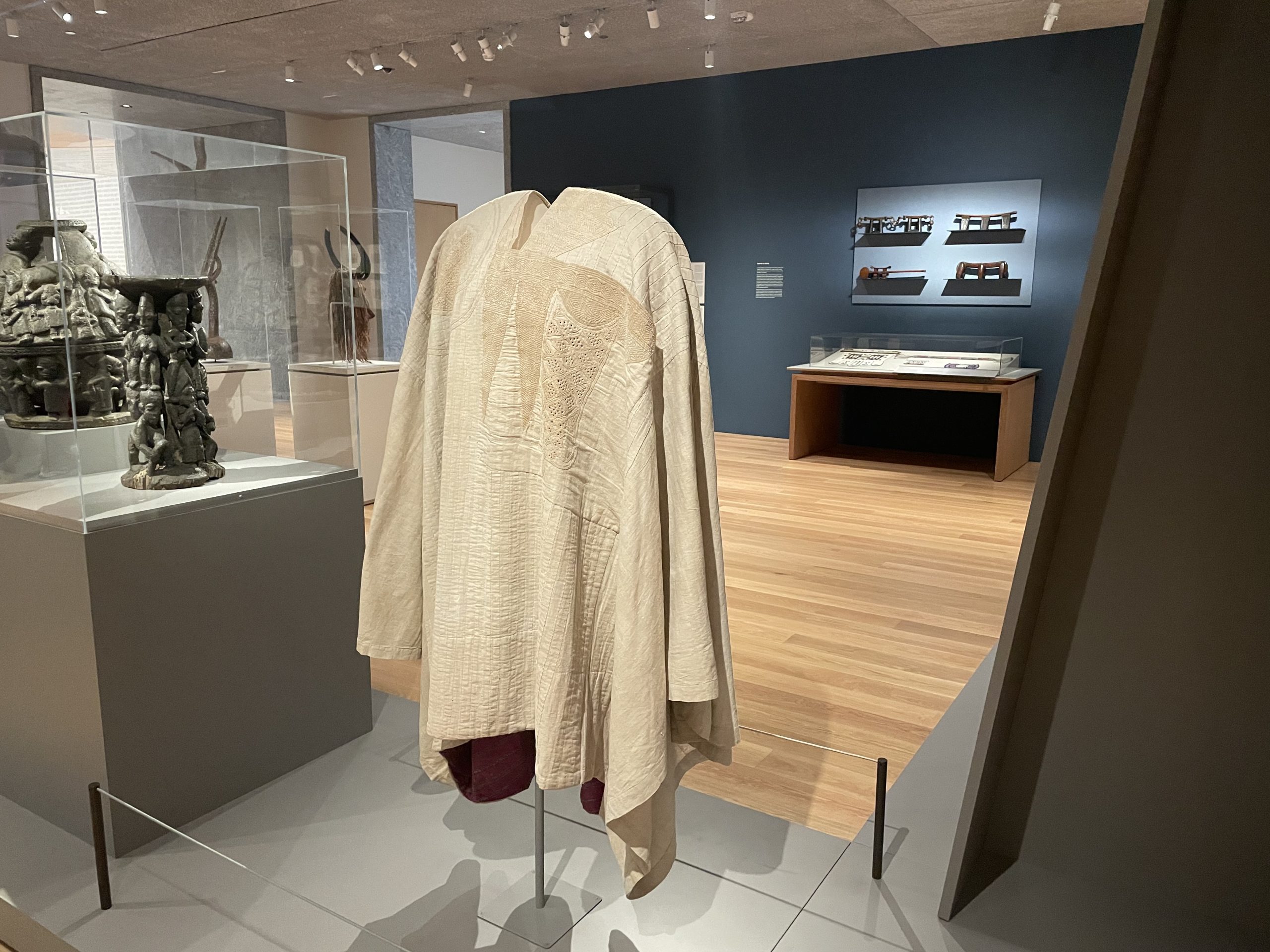
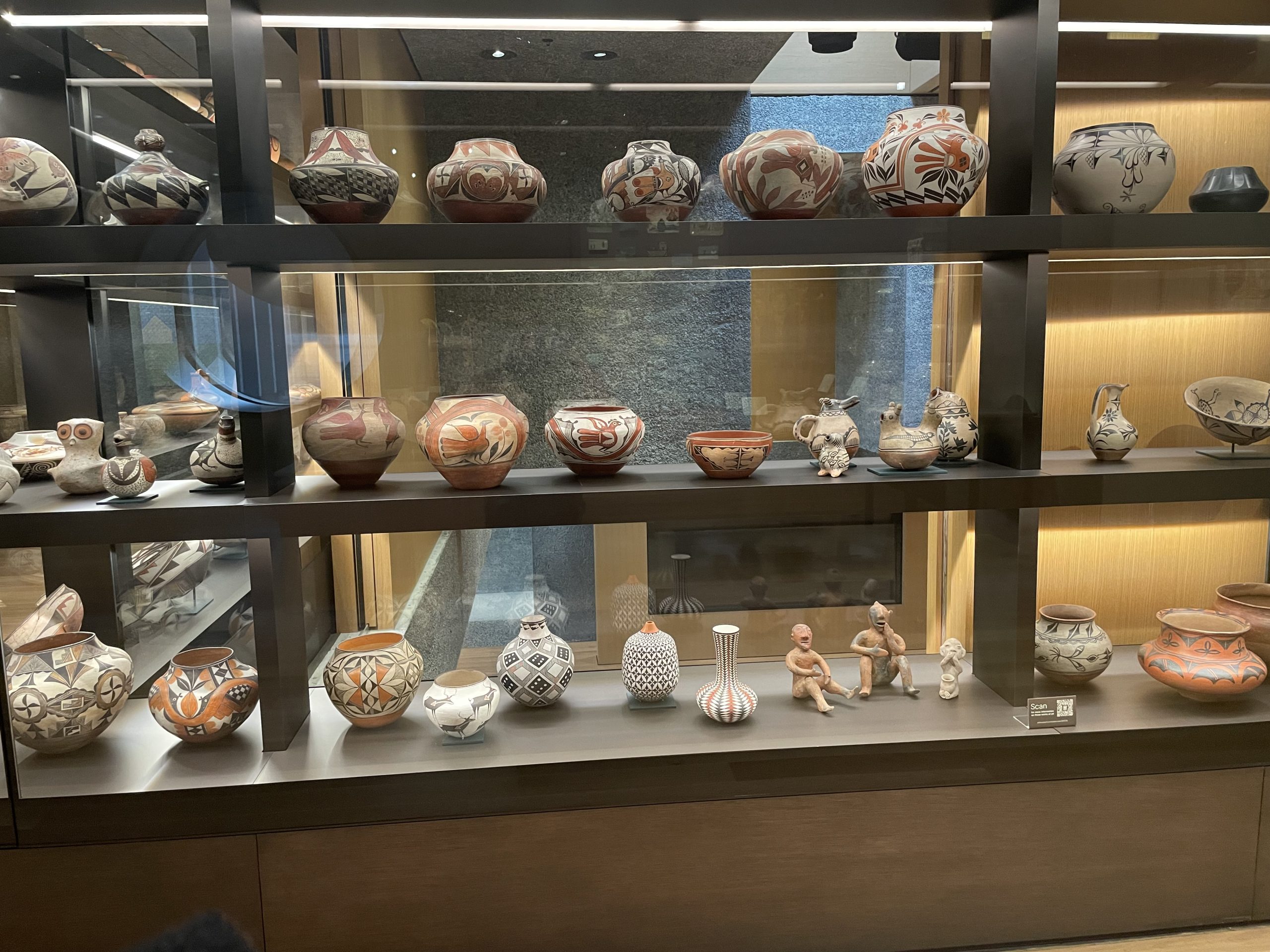
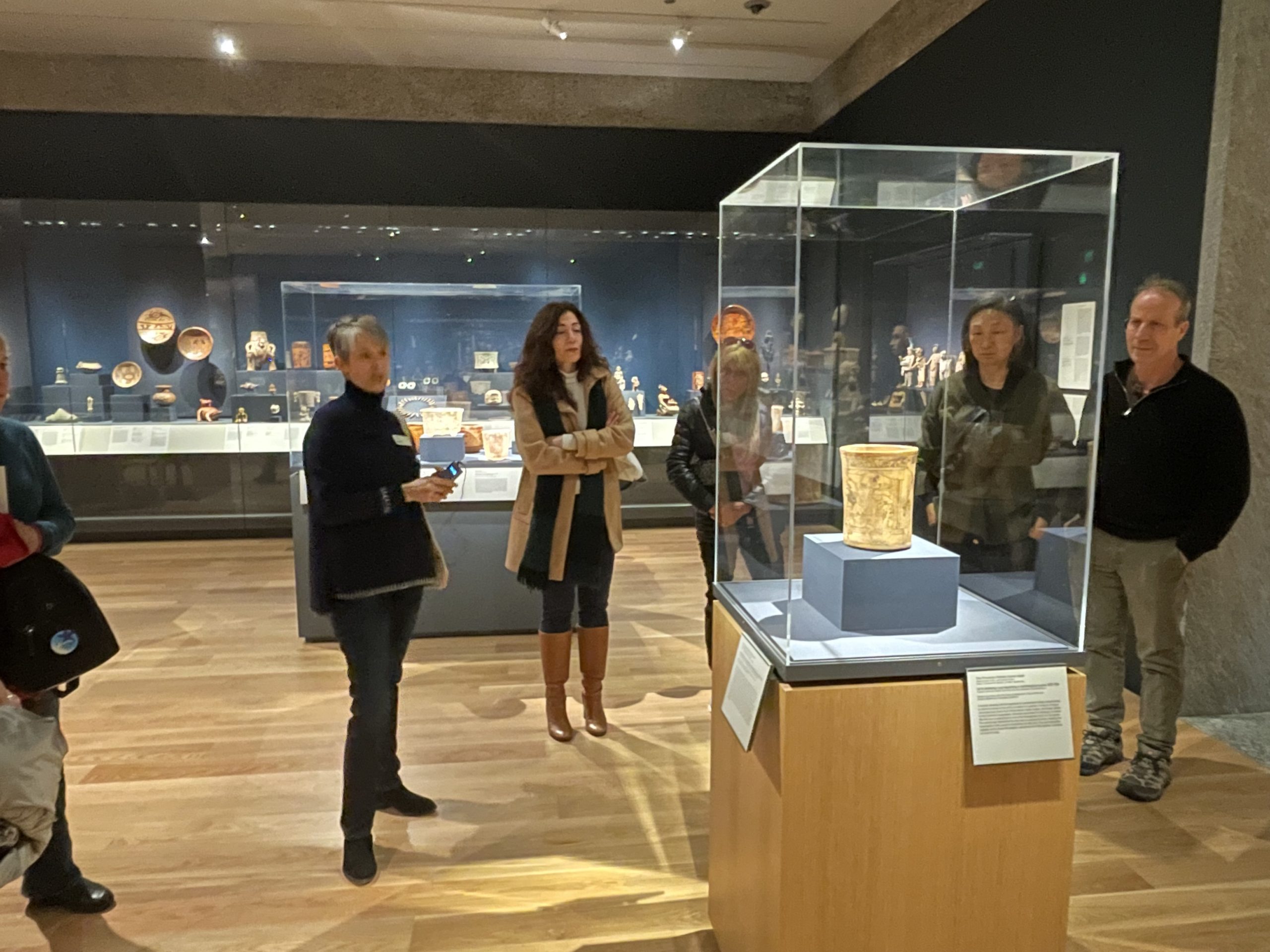
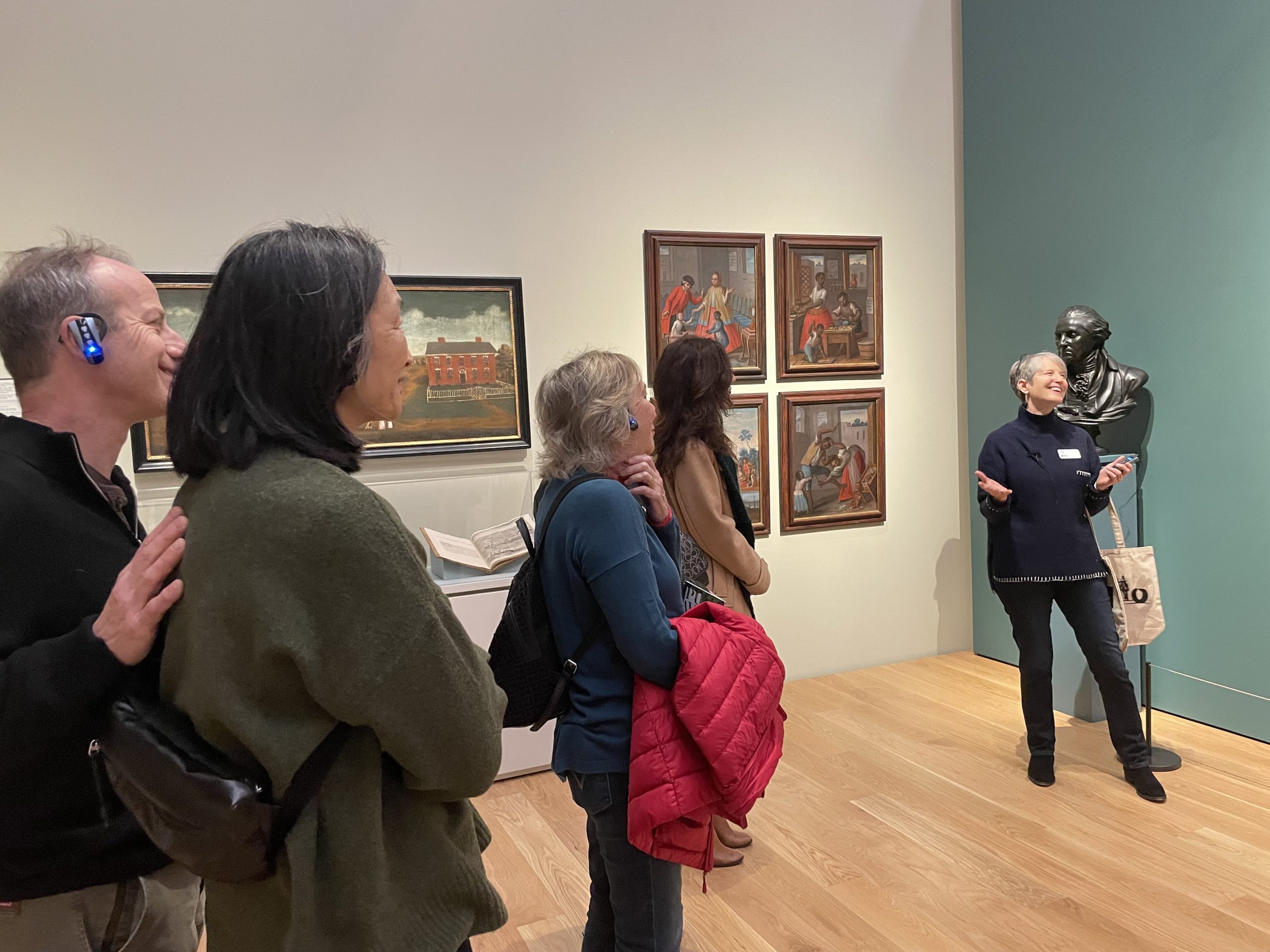
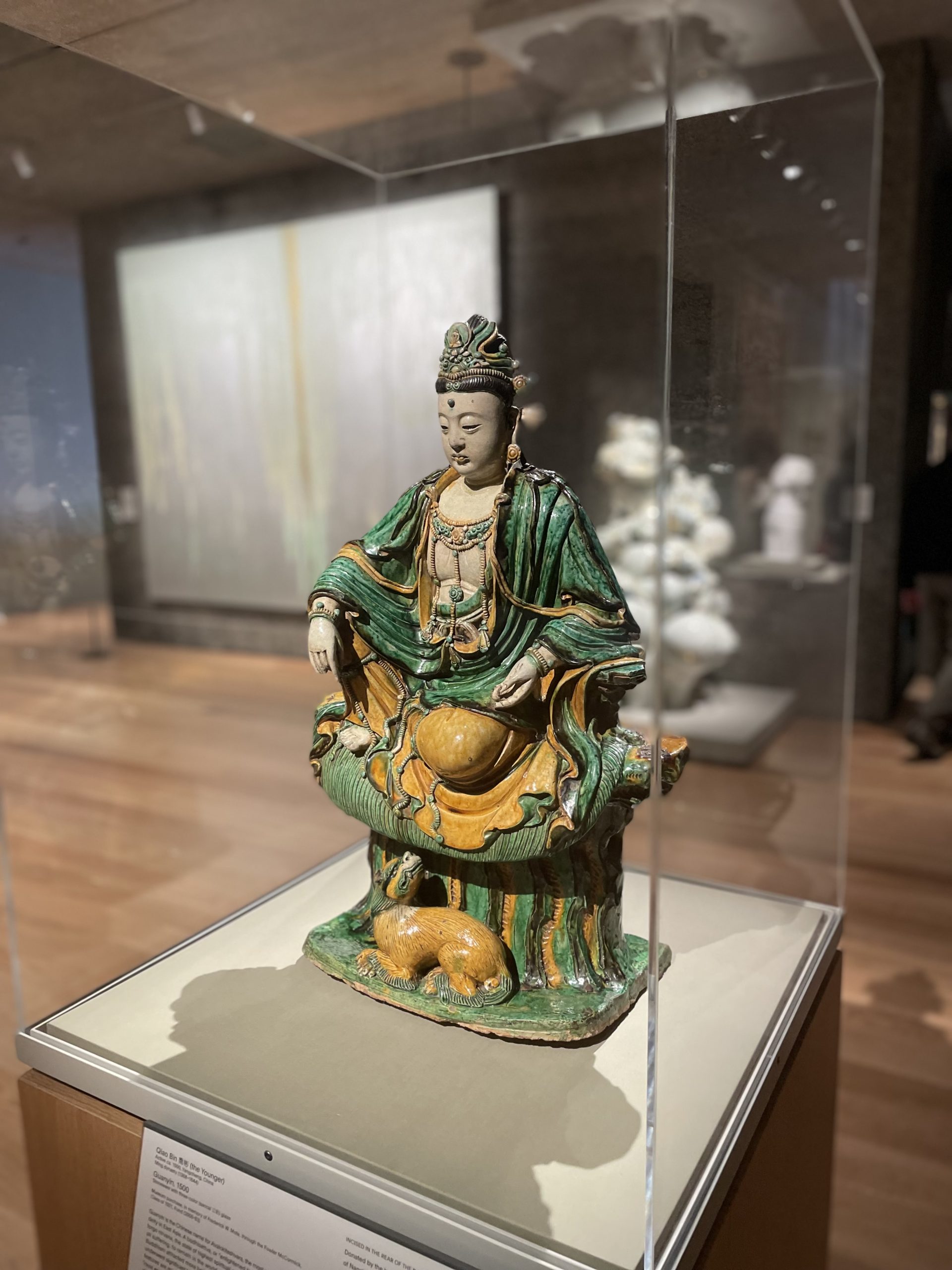
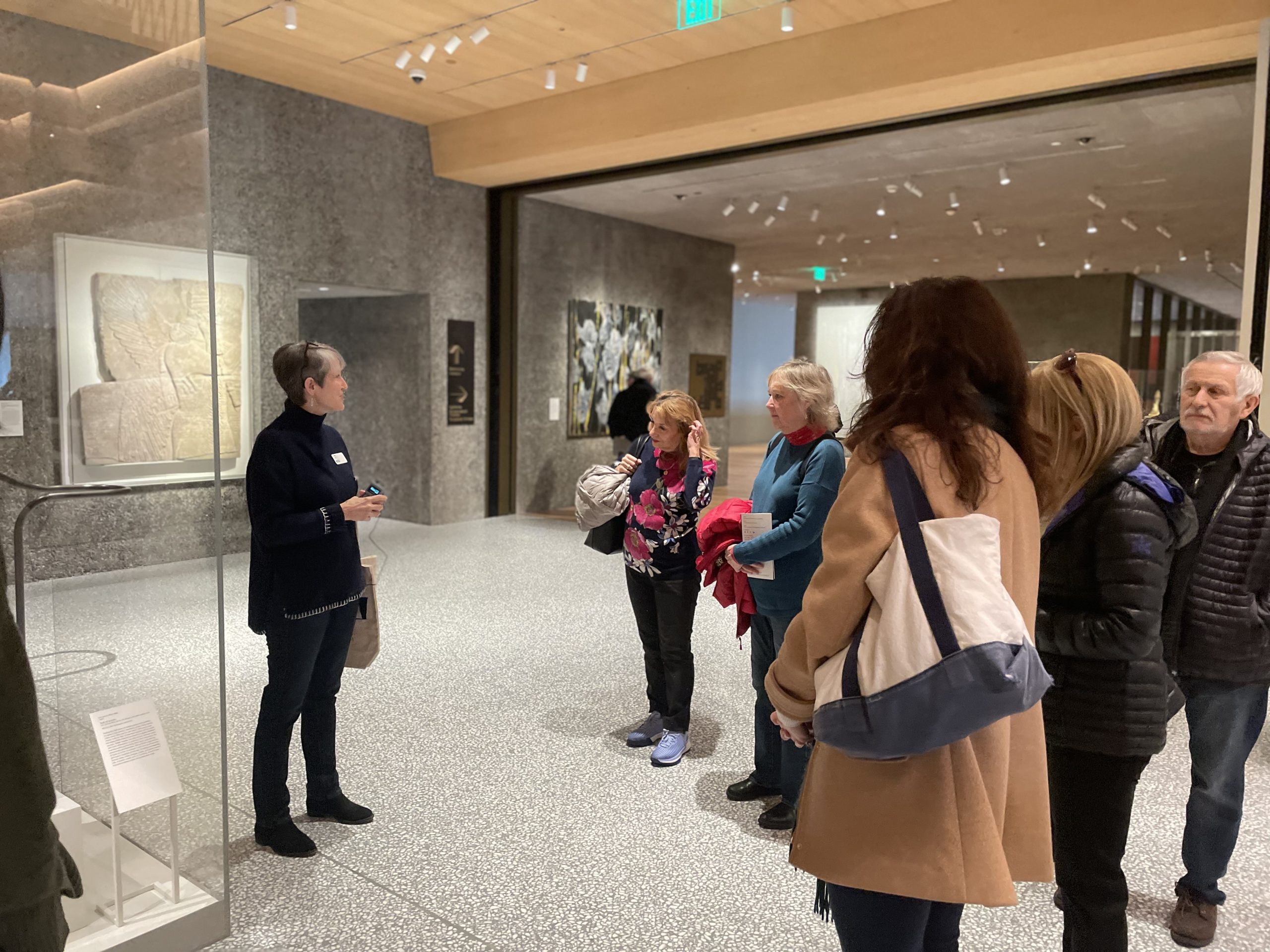
The Princeton University Art Museum
Members of the NJ Chapter Board and guests had an impromptu get-together at The Princeton University Art Museum on Saturday, December 6, 2025. This was followed by a light lunch at Winberie’s Restaurant on Palmer Square. A fun time was had by all!
Join Us at The Princeton Art Museum
The Fulbright NJ Chapter will be getting together at The Princeton Art Museum on the Princeton University campus on Saturday, December 6, 2025 at 11:00 am. Afterwards, join us at Winberie’s on 1 Palmer Square at approximately 1:30 pm for a light lunch.
Fulbright Conference, October 2025
Dr. Joyce Richardson, President of the New Jersey Chapter, attends the 48th Annual Fulbright Conference at Florida International University in Miami, FL.
Jersey City Cultural Walk, August 23, 2025
NJ Fulbright Chapter and Global Ties U. S. Announces Inaugural Cohort of U.S. Exchange Alumni Fellows hosted a Jersey City Cultural Walk. Alumni from NJCU, JPMorgan, Fulbright, Gilman, the Stevens Initiative, and other U. S. government-sponsored exchange programs came...
Dr. John Donnellan Presents at The Fulbright Conference
NJ Fulbright Chapter member Dr. Donnellan hosted a table talk discussion at the 2025 Fulbright Conference titled, “Extending the Fulbright Impact: Post-Award Collaboration and Virtual Internationalization using Collaborative Online International Learning (COIL).” The...
FULBRIGHT Association NEW JERSEY CHAPTER invites you to an afternoon of fun, food and & cultural discussion at Jenny Jump State Forest Shelter #8 330 State Park Rd. Hope, NJ 07844 Date: August 17 Time: 3-5 pm Jenny Jump State Park is home to the Greenwood...
In Memoriam: Dr. Virgil Harold Blanco
https://newjersey.fulbrightchapters.org/in-memoriam/
Welcome, Dominic Nashkov!
The Ukrainian family our chapter has sponsored, the Nashkovs, are thrilled to announce the birth of their baby boy, Dominic—a new US citizen! He was born January 23. He weighed in at 6 lb., 6 oz. and is 19 inches ”tall.” He and Mom Valeriia are doing well. The proud...
RESCHEDULED Webinar: Dr. Herbert N. Richardson, First Black Teacher of Perth Amboy, NJ
FULBRIGHT Association NEW JERSEY CHAPTER Dr. Herbert N. Richardson, First Black Teacher of Perth Amboy, NJ Dr. Herbert N. Richardson Dr. Joyce Richardson-Melech The New Jersey Fulbright Chapter invites you to join us for an afternoon of oral history-the...
The Abaya Chronicles

The NJ Fulbright Chapter has encouraged its members to pen articles that highlight their experience as Fulbrighters.
Dr. Tina Lesher, professor emerita of journalism at William Paterson University, here details the interesting time she had as a 2006-07 Fulbright Scholar in the United Arab Emirates.
In 2001, I spent a semester as a visiting professor at Zayed University, an educational institution that had opened in 1998 with non-residential campuses in Abu Dhabi and Dubai. The university’s mission was to educate the top female students in the UAE with the hopes that they would become leaders of their country.
During my tenure at the Abu Dhabi campus, I had an opportunity to learn about the history of the area, especially the years before the UAE was founded in 1971. Life on the desert for the women my age—I was born in 1943—was extremely difficult. The infant mortality rate up to the 1960s was more than 50 percent. Living in tents or mud houses proved hard for women, many of whom died when they were young mothers.
But by the time I was in the UAE in 2001, the surviving women my age (many in their early 60s) were living a first-class life—most residing with their families in lovely villas staffed with domestic help from overseas.
I often thought how interesting it would be to use my journalism background to interview Emirati womenand see how their lives had changed over the decades.
And I had that opportunity when I was named a 2006-07 Fulbright Scholar to the United Arab Emirates. Sofive years after my first stint in the UAE, I was back—this time as a Fulbright Scholar. Amazingly, when Fulbright appealed to a number of UAE universities to host me, a response came immediately from Zayed University and I returned to the same campus where I had previously taught.
And I might note that, despite the fact I was not eligible that year for a paid sabbatical, William Paterson University, where I was a full professor, paid me the difference between what Fulbright provided in funds, and my salary for the year. I will always salute the university board of trustees for that vote!
Fulbrighter in the UAE 2006-07
While Fulbright Scholars have a choice to research fulltime, teach fulltime, or do some of both in their assigned country, I chose to teach half-time at Zayed University and handle my interviews/research for the other half of my award.
Zayed University had changed dramatically from my first outing as a visiting professor in 2001. At that time the university was but in its third year with no senior class. I was called Miss Tina, apparently because that was how students had referred to their teachers in earlier grades. Students had to be at school all day, from 8 a.m. to 5 p.m. even though they did not have classes much of that time. Frankly, in my opinion, ZU operated more like a high school.
But, when I returned for my Fulbright stint starting in the fall 2006, ZU was a full-fledged university. As in the US, students needed to be on campus only for their scheduled classes. Now I was called Dr. Lesher, no doubt because the university was seeking American accreditation and a title of Miss Tina might not seem too professorial.
I knew, from my previous stay that it is hard for foreigners to meet Emiratis. Thankfully, when I told my students that I was in the country to interview women of all ages, but especially older ones, the girls started commenting out loud: “You can interview my grandmother. I have a neighbor who would be willing to be interviewed…”
So gradually, through colleagues and others, I met many Emirati women whose lives proved interesting.
Some of my initial interviews were with Emirati women in their 20s, most with college degrees in a country that wanted to ensure that females had every chance to secure higher education. Most of these women were single. That was much different from their grandmothers, who married as young teens. After all, Muslim men could have several wives as long as they were treated equally—not a difficult assignment in the days of desert life. But by the 1990s and later, things had changed. Weddings cost a fortune—literally—and the groom or his family paid for these elaborate fests. So having more than one wife was near impossible, even with some financial help from the country’s Marriage Fund. Also, women were expected to wed Emirati men, while the men could marry women from other countries and many did so to avoid the extravagant cost of Emirati weddings. Thus, the chances of UAE women meeting their Emirati life partners dropped considerably. Yet, I learned that educated single women were securing high-paid jobs and living life to the fullest.
Throughout the Fulbright year, I had the chance to meet extraordinary women in the UAE. Some of these interviewees included:
The list goes on, but I also had some unique experiences that added to my interviewing research.
For example, a sheikha— member of the ruling family— invited me to her palace to interview not only her but a number of other important Emirati women with whom she was friendly. And the young sheikhas whom I taught were most engaging, and as I was to leave on my final day in the UAE, they gifted me with a lovely gown made especially for me by the palace tailors.
Another example: When I interviewed a woman who worked in a top job with the private schools in the country, she invited me to lunch along with a friend who was visiting from New Jersey. We had a delightful time and, as we were leaving, the woman took two framed pictures off the wall and gave one to each of us. My friend, who owned beautiful pieces of art, was shocked and said the painting would always have a prime spot in her home. I seconded that!
Back in New Jersey
When I completed my year-long Fulbright and returned home, I gave a number of presentations about the women I interviewed and life in the UAE at the time. I even returned to Abu Dhabi a year later to speak and show a Power Point presentation to the American Women’s Club there.
A year or so later, a group of Zayed University students came to New York on a field trip and I helped escort them to various places. One day a student asked me why I had not written a book about the women I had interviewed and I said I would never be able to get permission from them to do so. Then one student piped up: “Then write a novel!”
And so I did. With a fellowship at Dairy Hollow writing colony in Arkansas, I was able to devote weeksin 2010 to penning The Abaya Chronicles, a novel based on a UAE-American family. The book was self-published but was able to garner some support, including being named the best fiction book of 2011 by the National Federation of Press Women. I flew to Iowa for the award presentation.
In addition to serving a two-year stint as a Fulbright Ambassador, I became active in the Fulbright Association and was a presenter at one of its national conferences. On the state level, I continue my involvement, currently serving as chapter secretary while heading some advocacy activities. With my husband, Dr. John Lesher (a Fulbright Friend), I twice have been a participant in Advocacy Day on Capitol Hill in DC.
In brief, my Fulbright experience has been consequential in my life, and I am honored to have been a recipient of the award.
The Princeton University Art Museum
Members of the NJ Chapter Board and guests had an impromptu get-together at The Princeton University Art Museum on Saturday, December 6, 2025. This was followed by a light lunch at Winberie’s Restaurant on Palmer Square. A fun time was had by all! 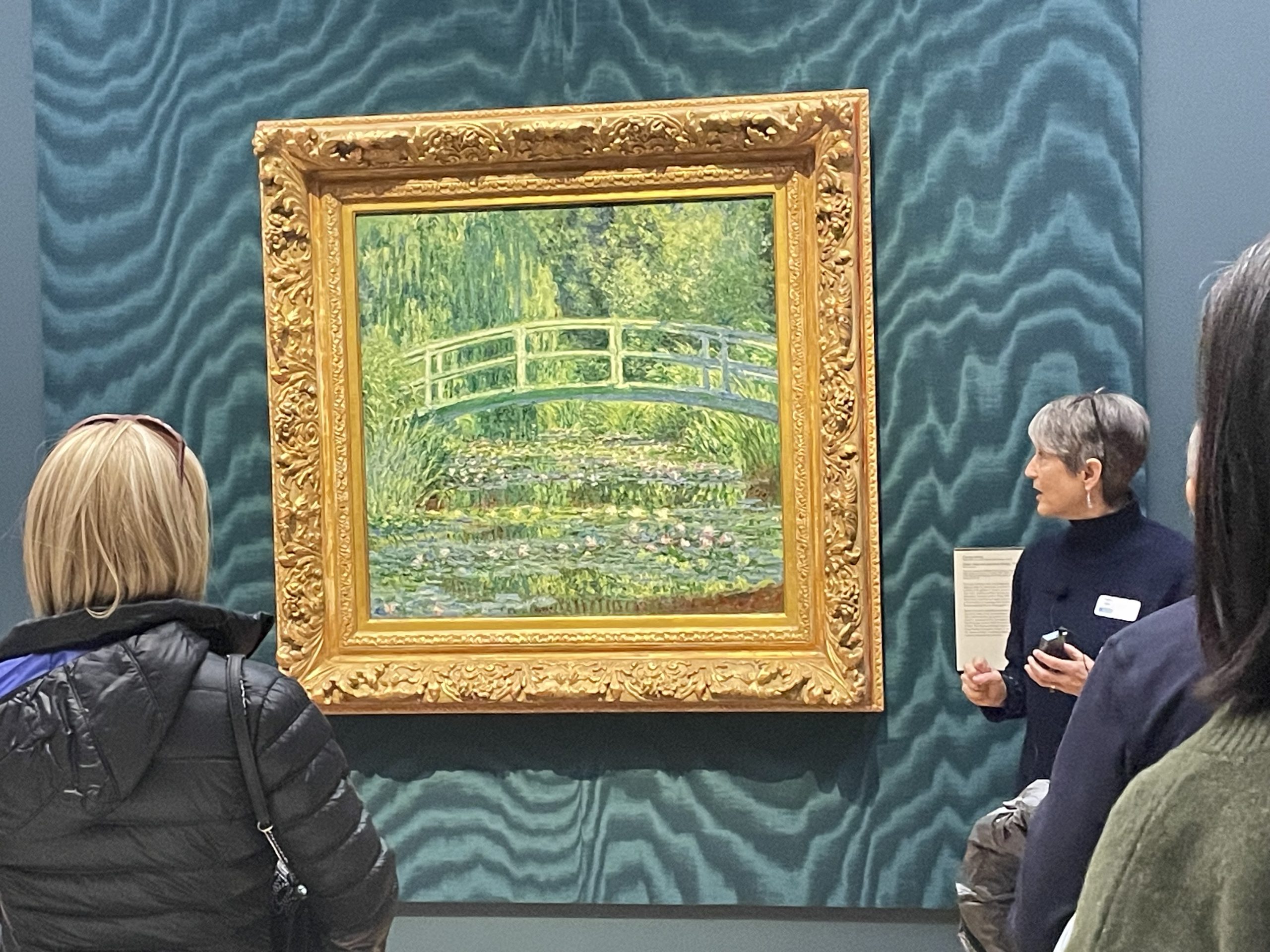
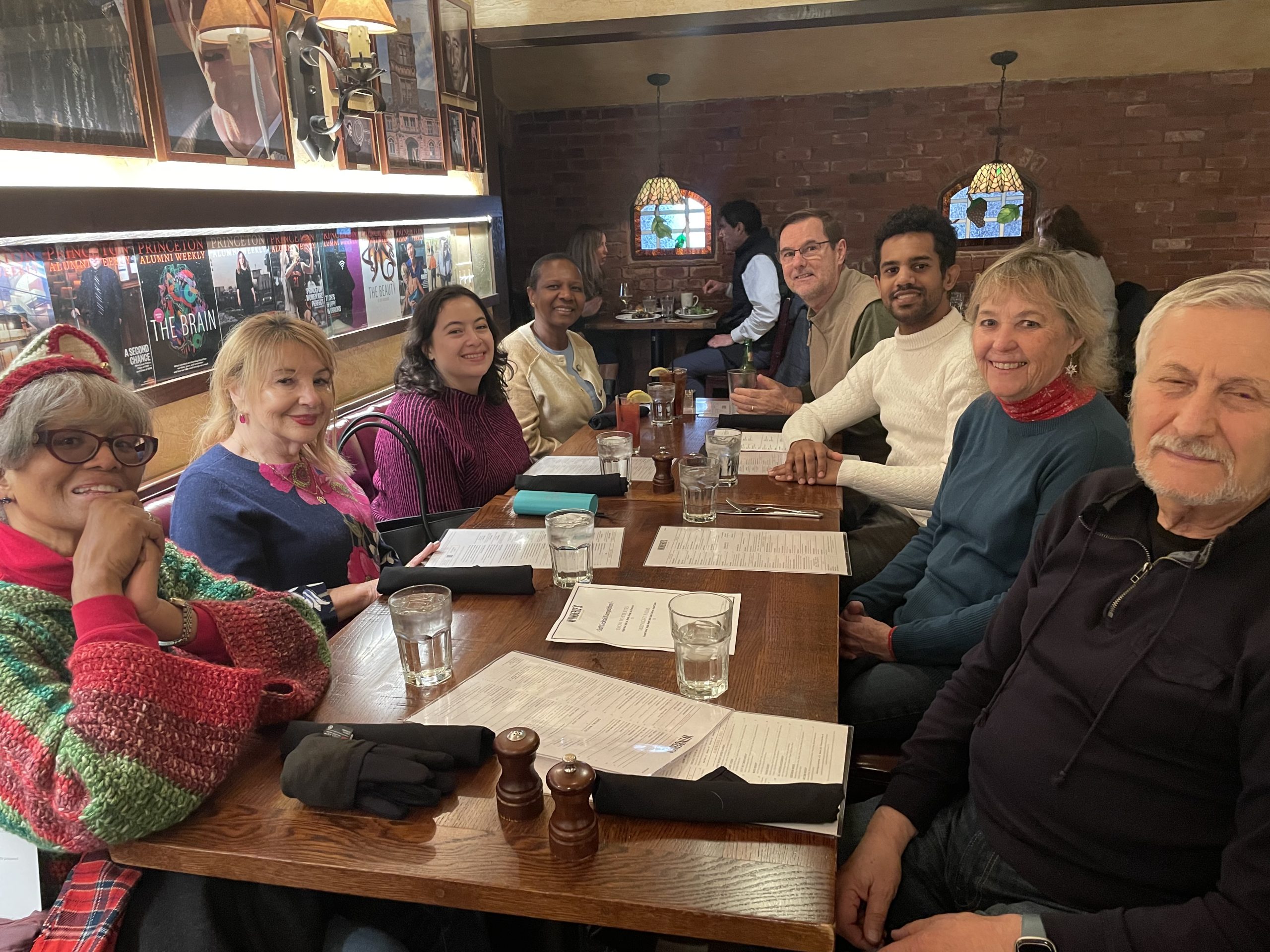
Members of the NJ Fulbright Chapter Board with Guests at Winberie’s in Princeton
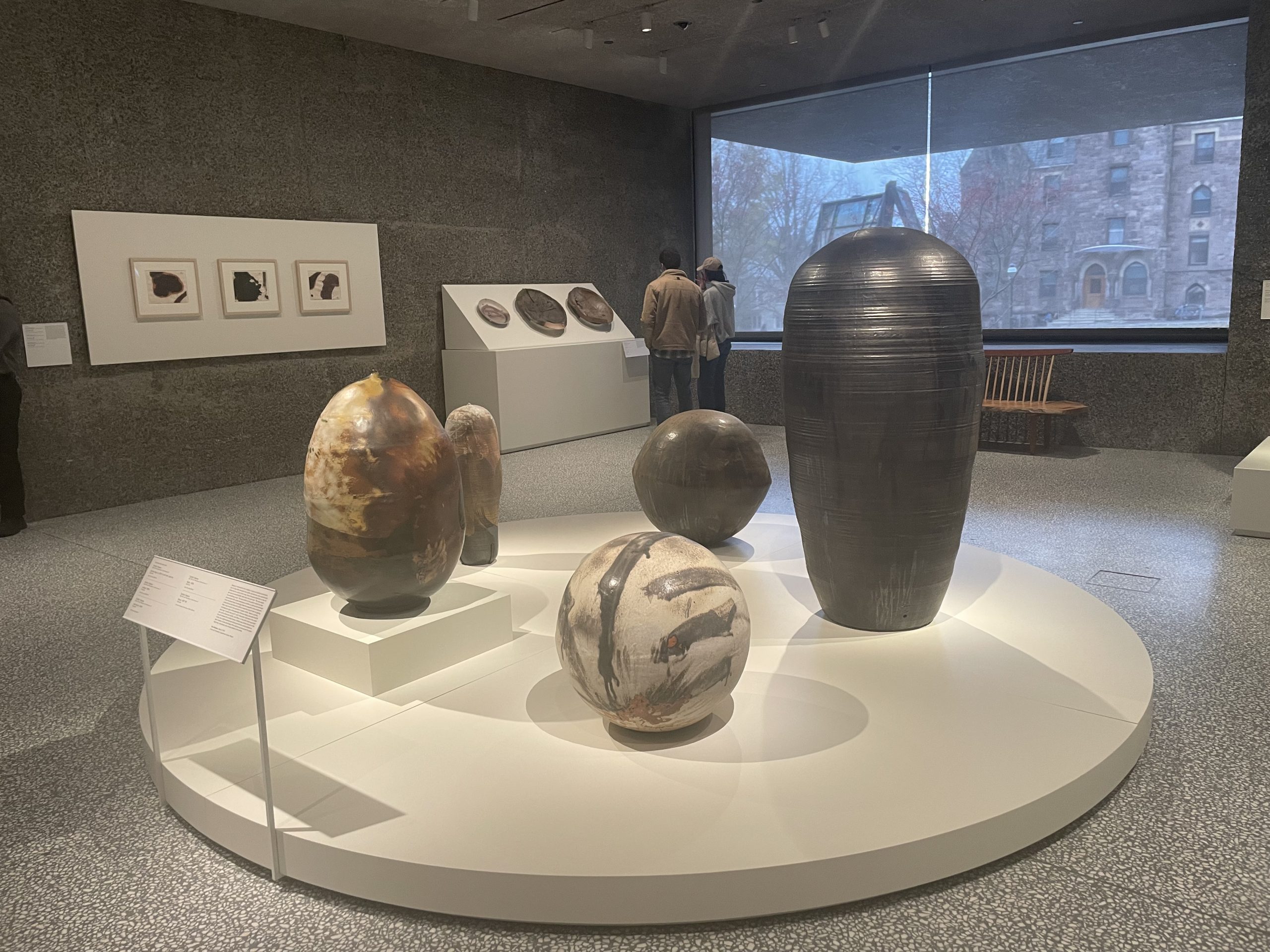
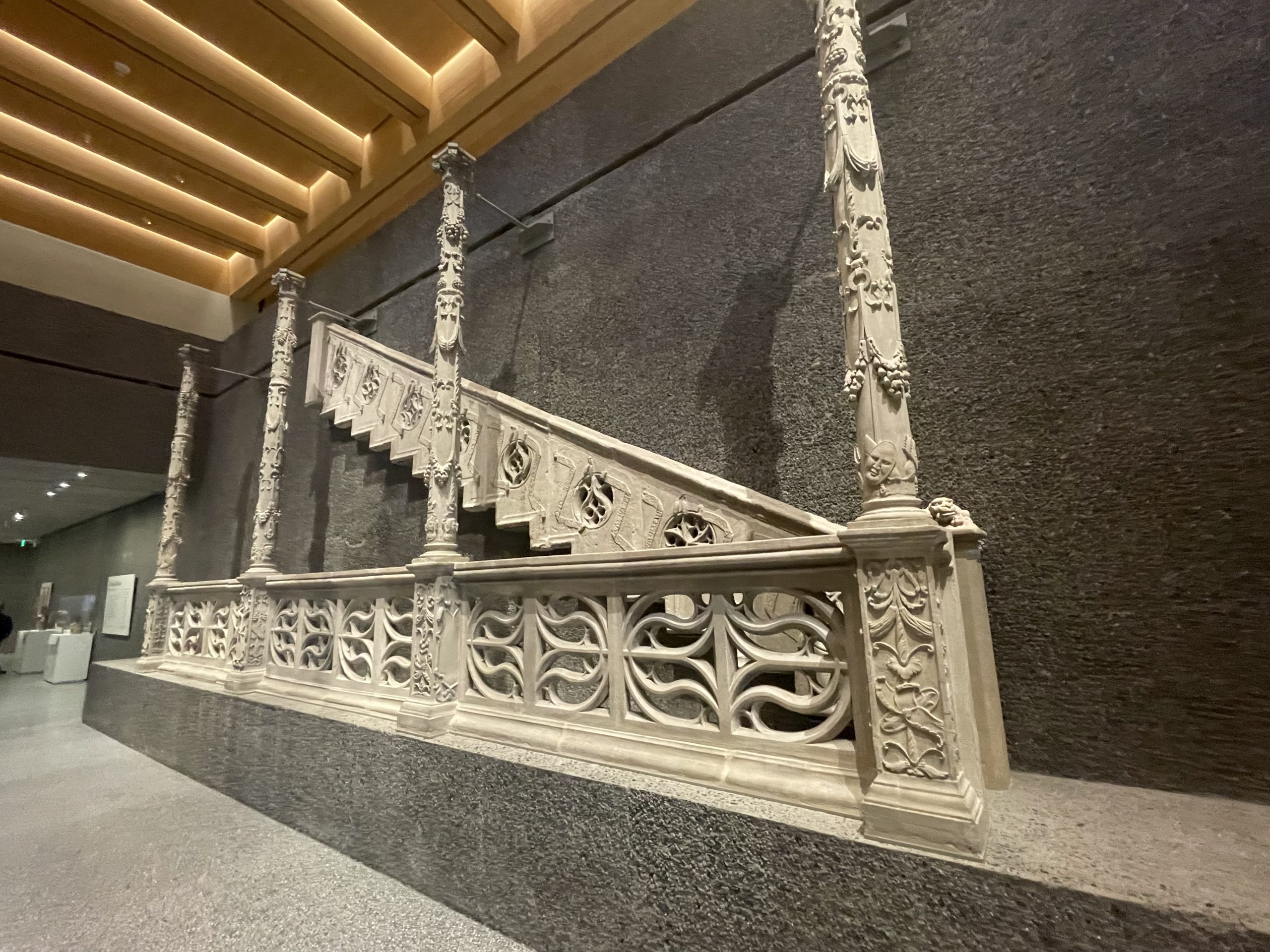


Join Us at The Princeton Art Museum
The Fulbright NJ Chapter will be getting together at The Princeton Art Museum on the Princeton University campus on Saturday, December 6, 2025 at 11:00 am. Afterwards, join us at Winberie’s on 1 Palmer Square at approximately 1:30 pm for a light lunch.